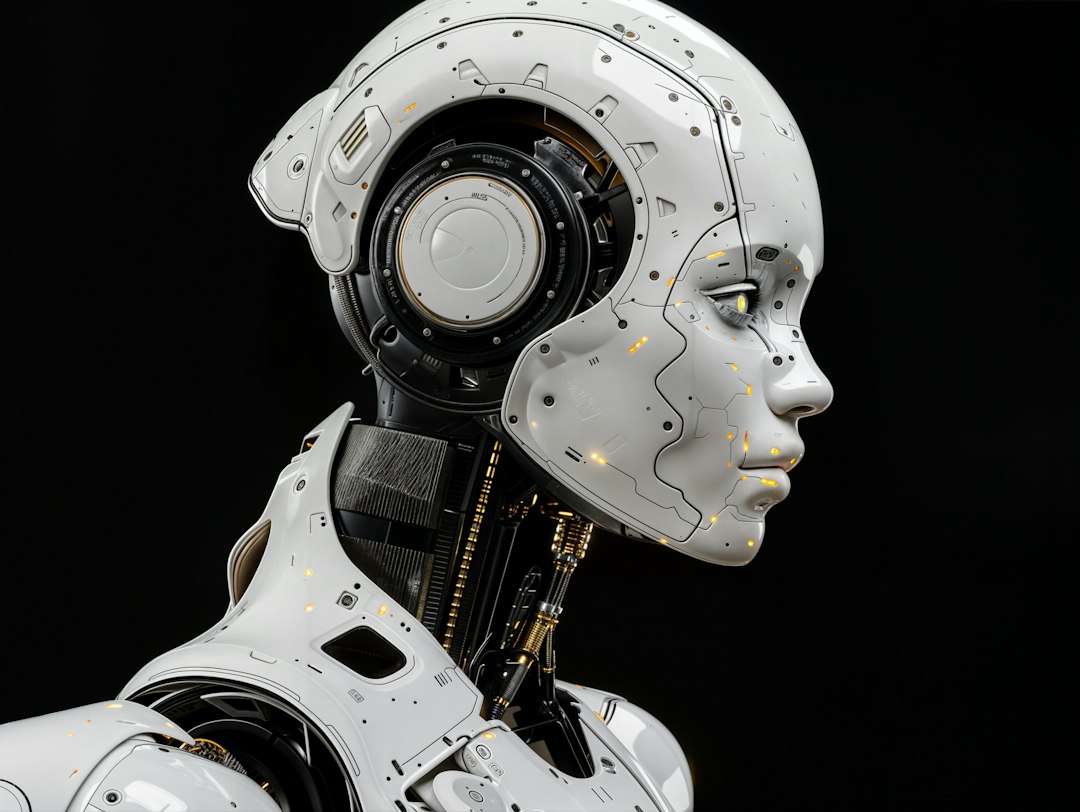
In the cinematic imagination, intelligence has always been personified. We picture a helpful entity residing in a sleek device, responding to commands with a synthesized voice. But the reality unfolding in 2026 is far more subtle, and arguably more profound: intelligence is dissolving into the background of our daily lives. It is no longer a tool we pick up, but a layer of understanding that sits around us, anticipating context, smoothing friction, and connecting the physical and digital realms in ways that feel almost invisible.
At Claudee, we’ve been closely watching this shift. The conversation is moving away from simply making a single device smarter and towards making entire ecosystems aware. It’s a philosophy change: stop asking "how do we fit more features into this box?" and start asking "how do we make the world around this person more responsive, more intuitive, and more helpful without them having to manage it?" This is the quiet revolution of ambient intelligence.
The End of the App Grid
For over a decade, our relationship with software has been mediated by a grid of icons. Each task requires opening a specific application, navigating its interface, and managing its settings. This model is inherently fragmented. It demands that the user act as an integrator, moving data and intent between separate, isolated worlds. The next generation of intelligent assistance abandons this model entirely.
Instead of a grid, we are moving towards a conversational, contextual flow. The system understands the user's larger goal—planning a trip, managing a household, preparing for a critical meeting—and orchestrates the necessary actions across multiple services. It weaves together information from a calendar, traffic data, local weather, and communication logs to present a finished, actionable plan. The user is no longer a project manager for their own software; they are the director, stating an intent and reviewing the polished result. This shift from application-centric to intent-centric computing is the foundational change enabling more fluid interaction.
From Devices to Embodied Presence
The term "assistant" has traditionally been tied to a physical object: a phone in your pocket or a speaker on your shelf. But if intelligence is truly becoming ambient, it requires a different physical embodiment. This is where the evolution of connected mobile platforms becomes so critical. The most capable intelligent systems need a physical presence that is versatile, mobile, and capable of perceiving the world not just through a microphone, but through vision and spatial awareness.
We are seeing the acceleration of advanced mobile computing that can navigate a room, recognize objects and individuals with consent, and interact with the physical environment. This isn't about building a robotic butler; it's about creating a platform where context is richer. An intelligent system that can see that you're trying to fix a bicycle, understand the model from visual cues, and project a step-by-step guide onto the floor is providing a fundamentally different kind of help than one that just reads a text file aloud. It's about making the assistance tangible and physically relevant.
The Three Pillars of Ambient Intelligence
Our research identifies three key technologies converging to move intelligence from the screen into the environment. Understanding these helps prepare for what comes next.
The Critical Role of Contextual Memory
A truly intelligent assistant must have a robust, persistent, and secure memory. Current systems often suffer from a severe form of amnesia: each session starts from a blank slate. The user is forced to constantly re-explain their preferences, their schedule, and their relationships. The new paradigm is built on a foundation of longitudinal memory. The system builds a model of the user's world over time, learning their commute patterns, their preferred airlines, their dietary restrictions, and their communication style.
This memory must be transparent and user-controlled. It's not about creating a surveillance profile, but about creating a personal knowledge graph that the user can inspect, edit, and delete. When a user asks for a restaurant recommendation, the ideal response isn't just a list of four-star options; it's a suggestion based on their past culinary adventures, their current location, their budget for the week, and the time constraints they have for lunch. The magic isn't in the search; it's in the personalized, contextual synthesis.
The sophistication of these memory systems is rapidly advancing. They are evolving from simple "to-do" lists to complex models that can infer unspoken needs. For example, the system might notice you have a flight booked to a city you've never visited and proactively offer to create a packing list based on the local weather forecast and the duration of your stay. This is the promise of proactive assistance: not waiting to be asked, but understanding the inevitable next step and offering to handle it.
Ethics, Transparency, and the Human in the Loop
As these systems become more capable, the importance of ethical design cannot be overstated. The move to ambient intelligence brings with it new questions about privacy, autonomy, and the nature of trust. An assistant that can see and hear must be governed by clear, understandable rules. Its decision-making processes must be explainable, and it must always be clear when the user is interacting with an autonomous system.
The most successful implementations will not be those that try to replace human judgment, but those that augment it, providing clear information and options, and making decisions only within parameters set explicitly by the user. The goal is to create a system that feels like a trusted colleague, not a manipulative force. Keeping a human in the loop for significant actions is not just a design principle; it's a fundamental requirement for building lasting trust.
Conclusion: The Intelligent Background
The future of intelligent assistance is not a more powerful supercomputer in our hands. It is a sophisticated, interconnected web of understanding that surrounds us. The shift from an app-centric to an intent-centric world, enabled by advanced mobile embodiments and durable, contextual memory, will fundamentally change how we live and work. We are rapidly approaching a world where technology no longer demands our attention, but works quietly in the background, freeing us to focus on what truly matters: our ideas, our relationships, and our experience of the world itself.
Experience the next step in intelligent assistance.
Join the future where technology works seamlessly in the background of your life.
Get Started Today